Hedged Portfolios in a Crash: Why Cash Reserves Matter
A hedge reduces price risk, but it doesn’t remove liquidity risk. Here is what happens to a hedged portfolio in a crash or liquidity squeeze, and why a cash reserve is often what keeps it standing.
Hedged strategies are built to be calm when markets are not. In a sharp selloff, though, even a well-hedged portfolio is tested, and not always in the way investors expect.
What “hedged” does and doesn’t protect against
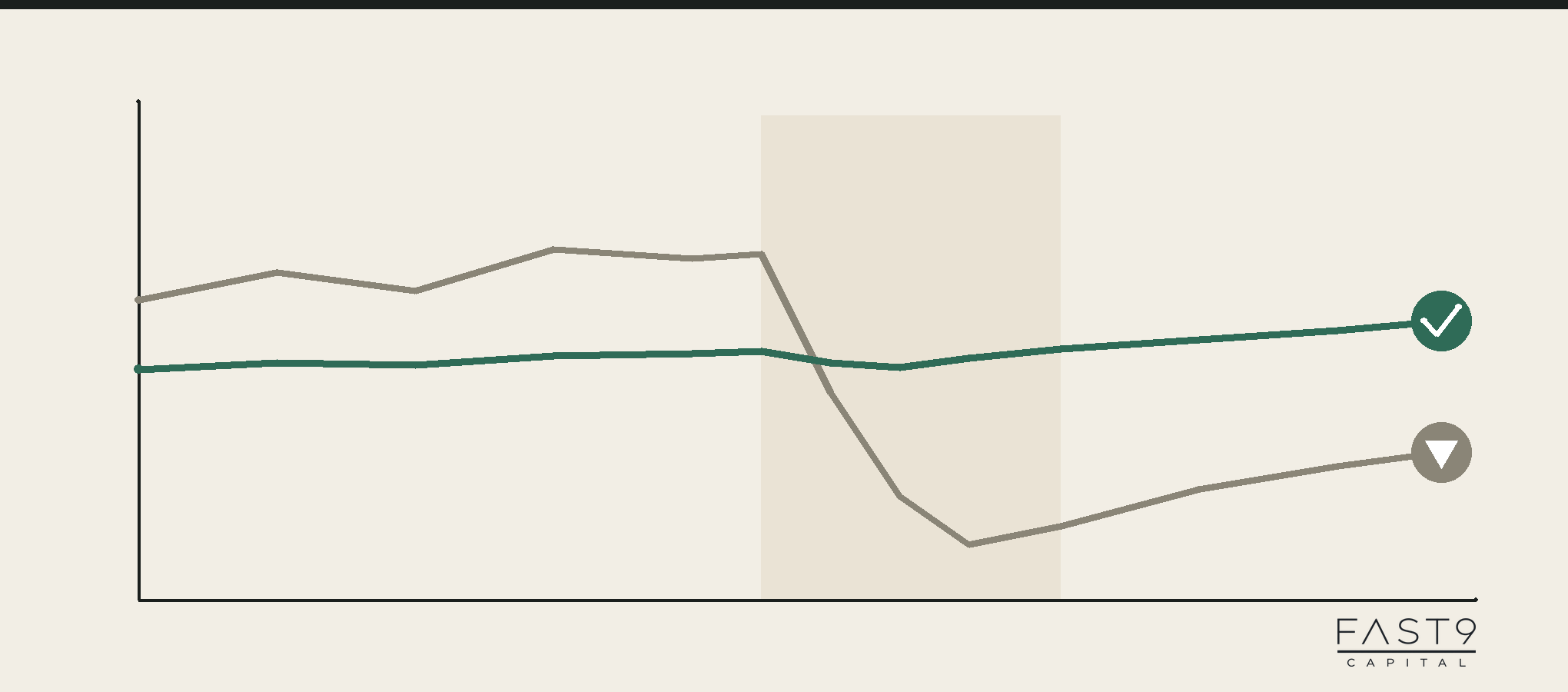
A hedged portfolio, such as a delta-neutral one, pairs long and short positions so that price moves largely cancel out. In a falling market, losses on one leg are offset by gains on the other.
That protects against price direction. It does not automatically protect against:
- Margin calls: each leg needs collateral, and collateral requirements can rise in a crisis.
- Liquidity gaps: prices can jump, and orders may fill at worse levels than expected.
- Hedge slippage: the two legs may stop moving together, which leaves a gap in the hedge.
- Forced exits: a position closed at the wrong moment can turn a temporary loss into a permanent one.
In short, a hedged portfolio can be right on paper and still be hurt if it runs out of cash at the wrong time.
What happens in a market crash
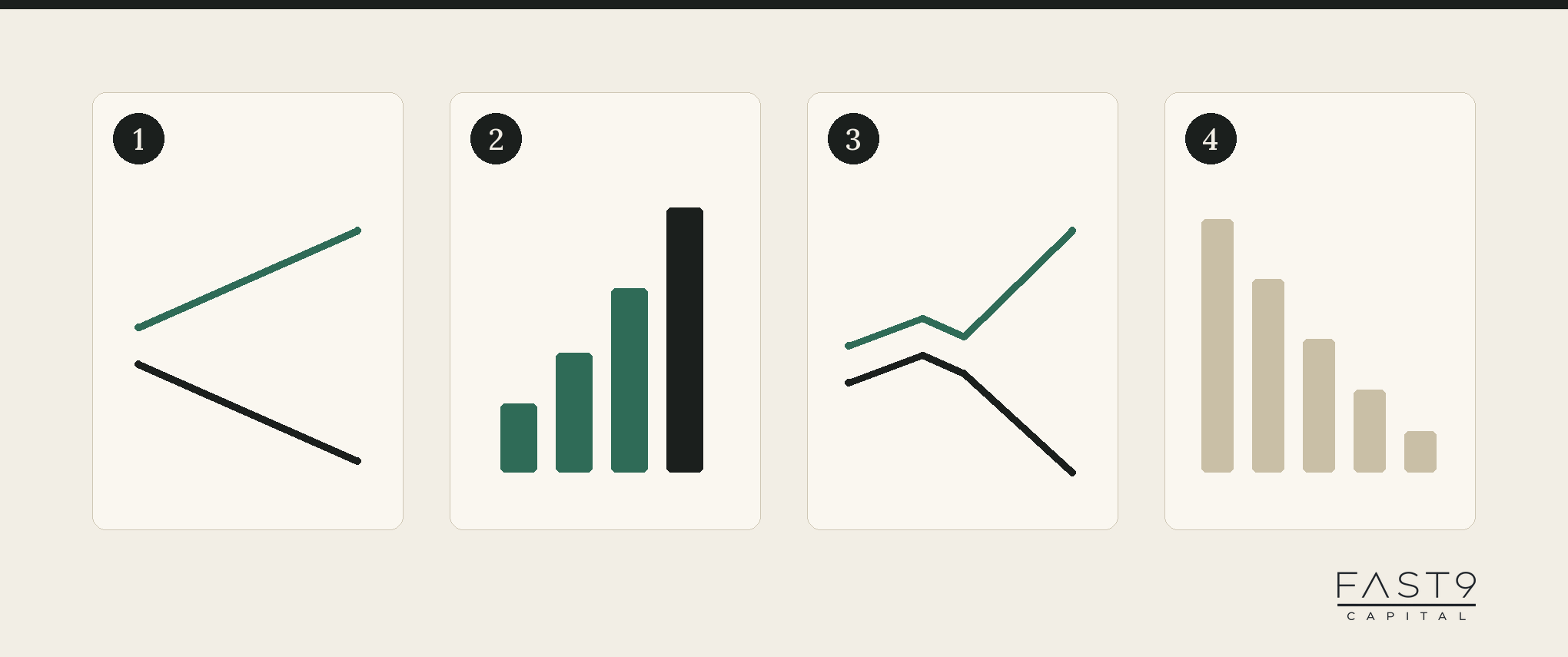
When volatility spikes, several things tend to happen at once:
- Spreads widen. Prices between related instruments can drift further apart than normal.
- Margin requirements rise. Exchanges and brokers often demand more collateral when markets get volatile.
- Correlations break down. Assets that normally move together can behave differently for a short time.
- Liquidity thins. There are fewer buyers and sellers, so trading costs go up.
For a hedged portfolio, the danger is rarely that the hedge “stops working” overnight. The danger is that it can’t afford to hold the position long enough for it to work.
What happens in a liquidity squeeze
A liquidity squeeze is when it becomes hard to trade at fair prices, or to trade at all. It can come from a market-wide shock, a platform issue or a sudden rush of withdrawals.
In these moments:
- Orders fill at worse prices than planned.
- Positions that look safe on screen are costly to close.
- Investors withdrawing at the same time can force a fund to sell assets it would rather hold.
The portfolios that cope best are those that planned for this before it happened.
Why cash reserves matter
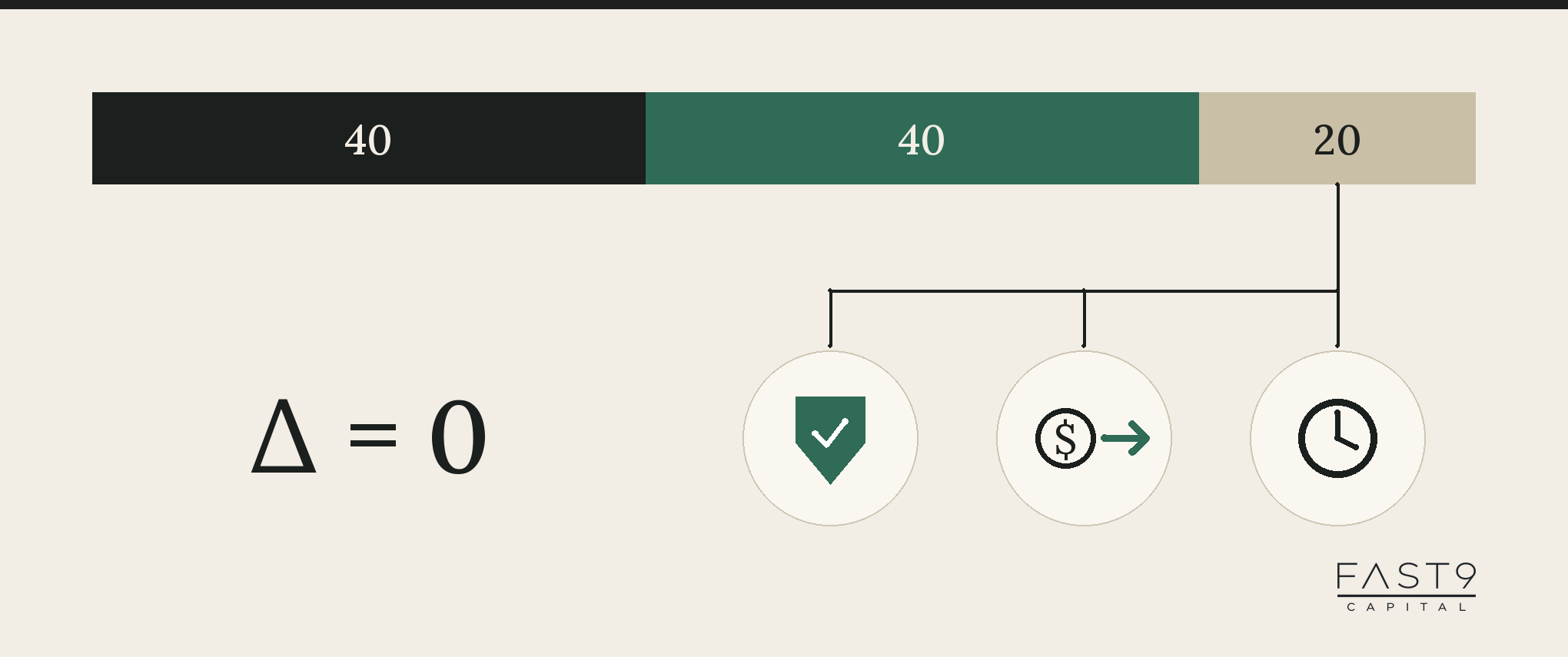
A cash reserve is the part of a portfolio held in cash or near-cash instruments instead of active trades. It looks like unused capital, but it does several important jobs:
- Covers margin calls. Extra collateral can be posted without selling positions in a hurry.
- Absorbs shocks. Temporary losses can be absorbed without cutting the whole book.
- Funds withdrawals. Investors can be paid out without forcing sales at bad prices.
- Buys time. Hedges and arbitrage trades often need time to converge, and a reserve lets the portfolio wait.
- Protects against the unexpected. Not every risk can be modeled, so a buffer covers what the model missed.
A simple way to think about it: the hedge protects against price moves, and the cash reserve protects against the hedge being forced to close.
The trade-off
Cash earns less than capital deployed in active strategies, so a reserve lowers returns in calm markets. This is a real cost, and it is a deliberate one. The aim is to give up a little return in good times to improve the odds of surviving bad ones.
Questions worth asking about any hedged strategy:
- How much of the portfolio is held in reserve?
- What happens to positions if margin requirements double?
- Are there rules that cut position sizes when liquidity thins?
- How are withdrawals handled during stress?
How Fast9 Capital approaches this
Fast9 Capital allocates 20% of the portfolio to a Cash & Margin Reserve, alongside 40% in delta-neutral trades and 40% in statistical arbitrage. This sleeve provides a liquidity buffer, redemption cover and drawdown absorption.
The approach is rule-based rather than improvised:
- In a crash or volatility spike: directional exposure is cut by rule, and the cash sleeve absorbs the shock.
- In a liquidity squeeze: liquidity filters tighten before fills suffer, position sizes scale down, limits lock in, and capital preservation takes priority over capturing returns.
The strategy targets a maximum drawdown of under 5%. Targets are not guarantees, and results can differ.
Key takeaways
- A hedge protects against price direction, not against margin pressure or liquidity problems.
- Crashes widen spreads, raise margin requirements and thin out liquidity at the same time.
- A cash reserve lets a hedged portfolio hold its positions instead of being forced out.
- The cost of holding cash is lower returns in calm markets, which is the price of resilience.
- Rules set in advance matter more than decisions made in the middle of a panic.
FAQ
Can a hedged portfolio still lose money in a crash?
Yes. Hedges reduce price risk, but margin calls, wider spreads and forced exits can still cause losses.
Why hold cash if it earns less?
Cash covers margin, funds withdrawals and gives positions time to work. It trades some return for stability.
How much cash should a trading portfolio hold?
There is no single answer. It depends on the strategy, leverage and liquidity terms. Fast9 Capital uses 20% as part of a 40/40/20 framework.
Does a cash reserve guarantee protection?
No. It reduces the chance of being forced to sell, but it cannot remove all risk.
Trading carries risk. This article is for education only and is not financial advice. Past performance and target metrics do not guarantee future results.